

Is the Air in Your Home Really Clean?
Understand What You Breathe – And How to Make It Fresher
by Kotilife
Most of us think about the food we eat, the water we drink, and the products we use — but how often do we think about the air inside our homes?
It may come as a surprise, but indoor air can be 2–5 times more polluted than outdoor air. Because we spend up to 90% of our time indoors, the quality of our indoor air shapes how we feel every single day.
In this article, we’ll explore what “clean air” really means, how to tell if your indoor air needs attention, and simple, natural steps you can take to make your home feel lighter, fresher, and healthier.
Why Indoor Air Quality Matters More Than You Think?
Air quality affects much more than our lungs. It also influences:
mental clarity
sleep quality
energy levels
mood
long-term wellbeing
When indoor air is stale, humid, dusty, or filled with chemical residues, your body works harder — often without you noticing.
A healthy home starts with healthy air.
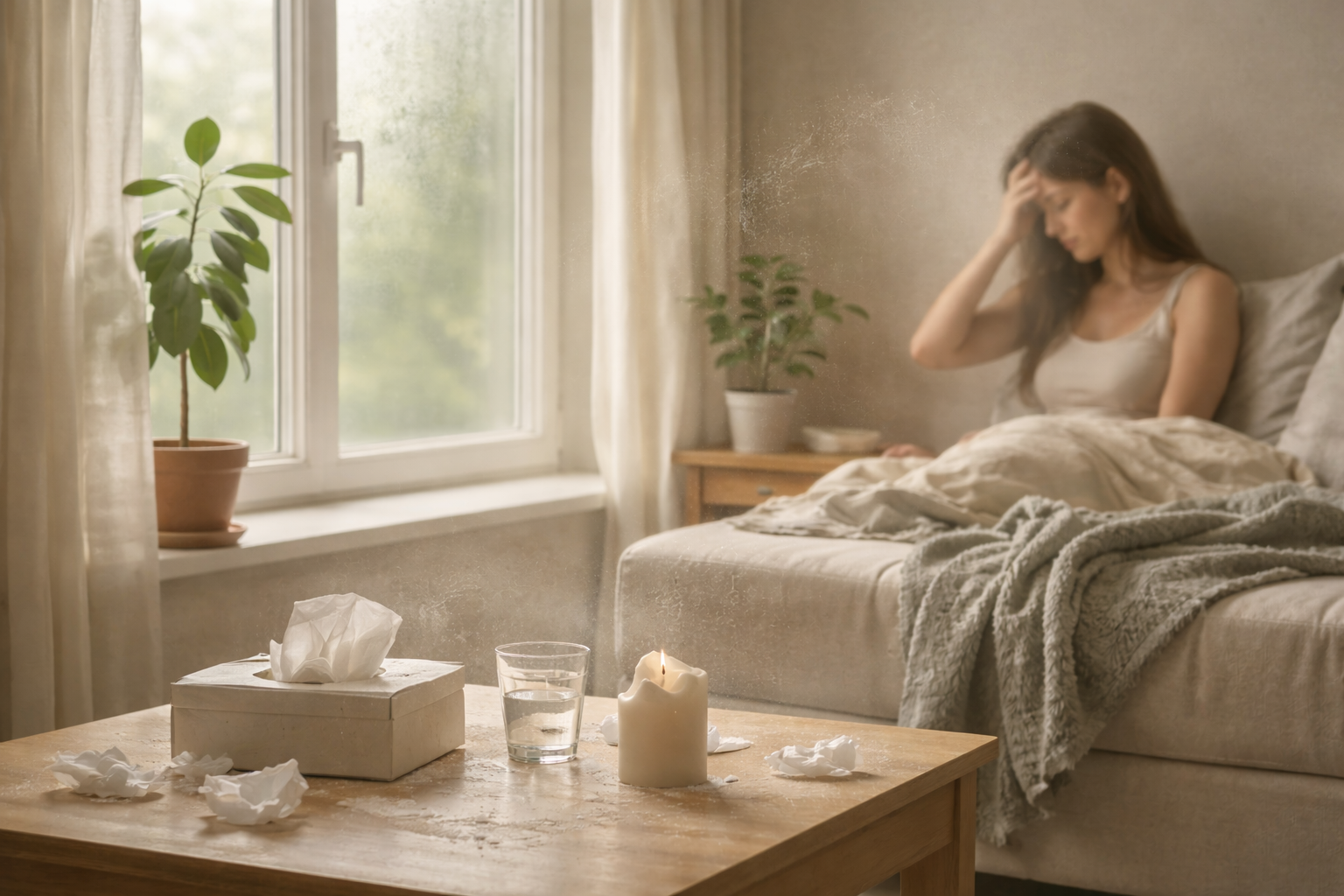
Is your indoor air clean?
Signs Your Indoor Air May Not Be as Clean as You Think
You don’t need fancy equipment to notice that your air might need refreshing. Many signs are subtle and easy to overlook.
Common early signs include:
a heavy or stuffy feeling in the morning
lingering smells that don’t dissipate
condensation on windows
dust build-up even after cleaning
headaches or fatigue at home
irritated eyes, nose, or throat
worsened allergies indoors
If these symptoms improve when you go outside, it’s often a sign that your indoor air needs attention.
Common Sources of Indoor Air Pollution
Understanding what affects indoor air quality helps you make gentle, sustainable improvements.
The most common contributors include:
1. Poor ventilation
Closed windows, tightly sealed homes, and lack of fresh air movement.
2. Dust and allergens
Textiles, carpets, bedding, pets — all release tiny particles and/or microplastics into the air.
3. Cleaning products and fragrances
Synthetic fragrances, sprays, and strong cleaners release VOCs (volatile organic compounds) to indoor air.
4. Moisture and humidity
Bathroom steam, cooking humidity, drying laundry indoors — all contribute to mold risk.
5. Everyday activities
Cooking, burning candles, using fireplaces, and simply living in a space creates airborne particles.
Indoor air doesn’t need to be “perfect” — but it should feel light, breathable, and supportive of your wellbeing.
How to Tell If Your Home Air Is Truly Clean?
Here are the simplest, most effective ways to evaluate your home’s air quality:
✔ Use your senses first
Does the air feel fresh, or does it smell “closed”?
Do you notice heaviness when you wake up?
✔ Check airflow
Hold a thin tissue paper near vents, doors, or windows — does it move?
Good airflow is essential for a healthy home.
✔ Observe humidity
Ideal indoor humidity is 40–55%.
Below that: air becomes dry.
Above that: mold risk increases.
✔ Monitor dust
If dust returns within a day or two, it’s often a ventilation or filtration issue.
✔ Track symptoms
If you feel better outside your home, your air may need attention.
These simple observations already give you a clear picture — no gadgets required.
Easy and natural Ways to Improve Indoor Air Quality
The best part? You don’t need complicated systems to create cleaner indoor air. Small daily habits can make a huge difference.
1. Open windows with intention
Instead of leaving a window cracked for hours, try “airing out” the home for 5–10 minutes with wide-open windows.
This creates a fast, effective exchange of air.
2. Create natural airflow
Open two windows on opposite sides of your home to create a gentle cross breeze.
Even a few minutes can refresh the whole space.
3. Reduce dust at the source
Vacuum mattresses, sofas, rugs, and curtains regularly.
Wash bedding weekly.
Use a damp cloth to prevent dust from floating into the air.
4. Choose gentle cleaning products
Look for fragrance-free products or subtly scented options.
Harsh cleaners release high amount of VOCs that linger in the air long after use.
5. Add nature indoors
Plants don’t “purify” large air volumes, but they do increase humidity, reduce stress, and inspire fresher air habits.
Visual calm matters too.
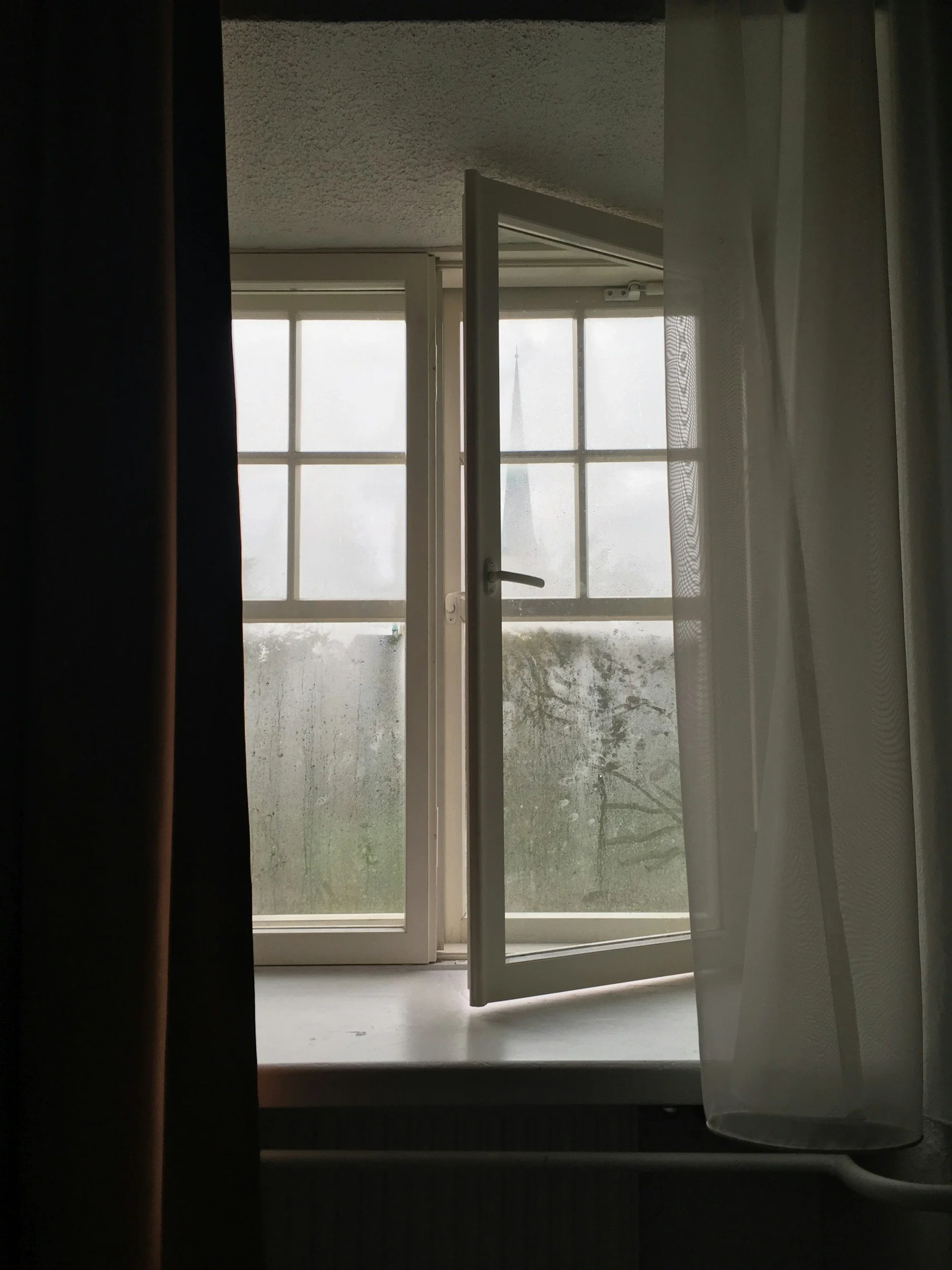
Quick morning airing
The Nordic Approach: Fresh Air as a Daily Habit
In Nordic countries, ventilation is a daily ritual — quick morning airing, strategic window openings, and mindful use of natural materials.
These traditions help maintain clean indoor air even in winter.
KotiLife embraces this same philosophy: simple, natural practices that support your wellbeing.
Want a deeper guide to a healthier home?
If you’re ready to transform your home environment step by step, explore:
👉 The Healthy Home Handbook
A calm, practical guide to living well indoors.
It’s the perfect next step for anyone beginning their healthy home journey.

The Healthy Home Handbook
… Final Thoughts
Clean indoor air doesn’t require perfection — just attention.
With a few thoughtful habits, you can create a home that feels lighter, calmer, and deeply supportive of your wellbeing.
Your home should take care of you.
And the air you breathe is the best place to start.